From the Ground Up:
SEPTEMBER—Honey
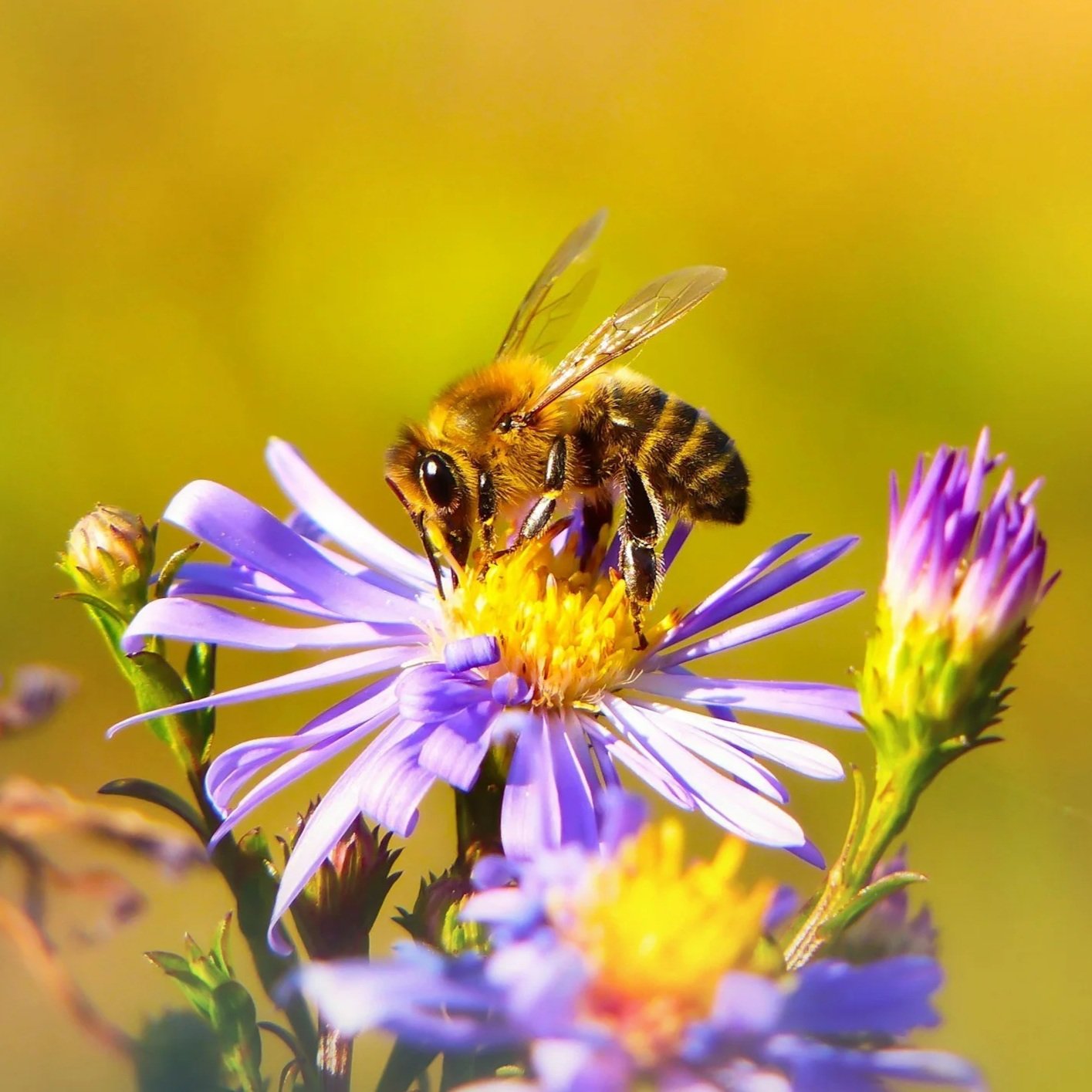
September is National Honey Month! Did you know that honey is one of the few foods that has an eternal shelf life? Honey is pure, natural and never spoils. It is made by bees, flowers and Mother Nature. Honey bees must collect pollen from two million flowers to make one pound of honey. Learn all there is to know about honey and honey bees.
Lesson Plans & Resources
GRADES Pre-K-2:
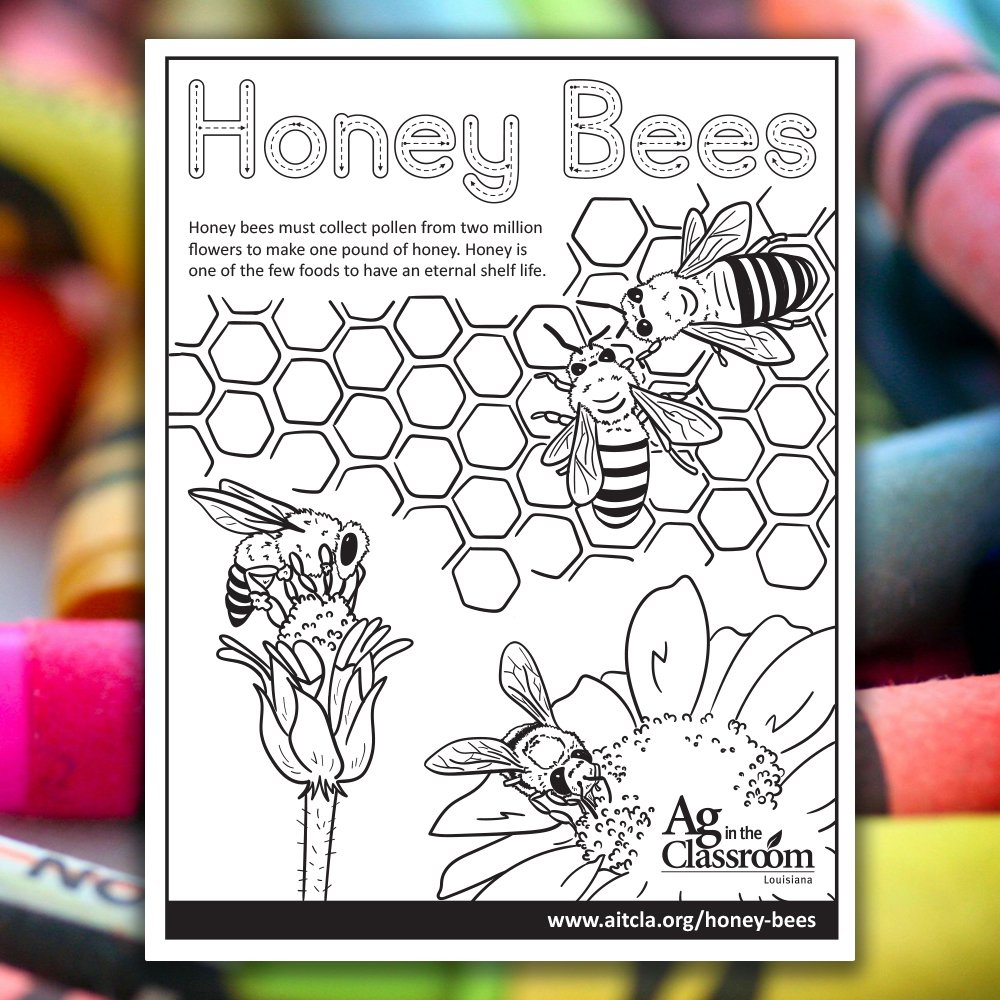
AITC Honey Bees Coloring Page
Color your way through Louisiana agriculture with our fun-fact, elementary coloring sheets.
Fit-to-page printing option recommended. See more coloring pages.
GRADES K-2:
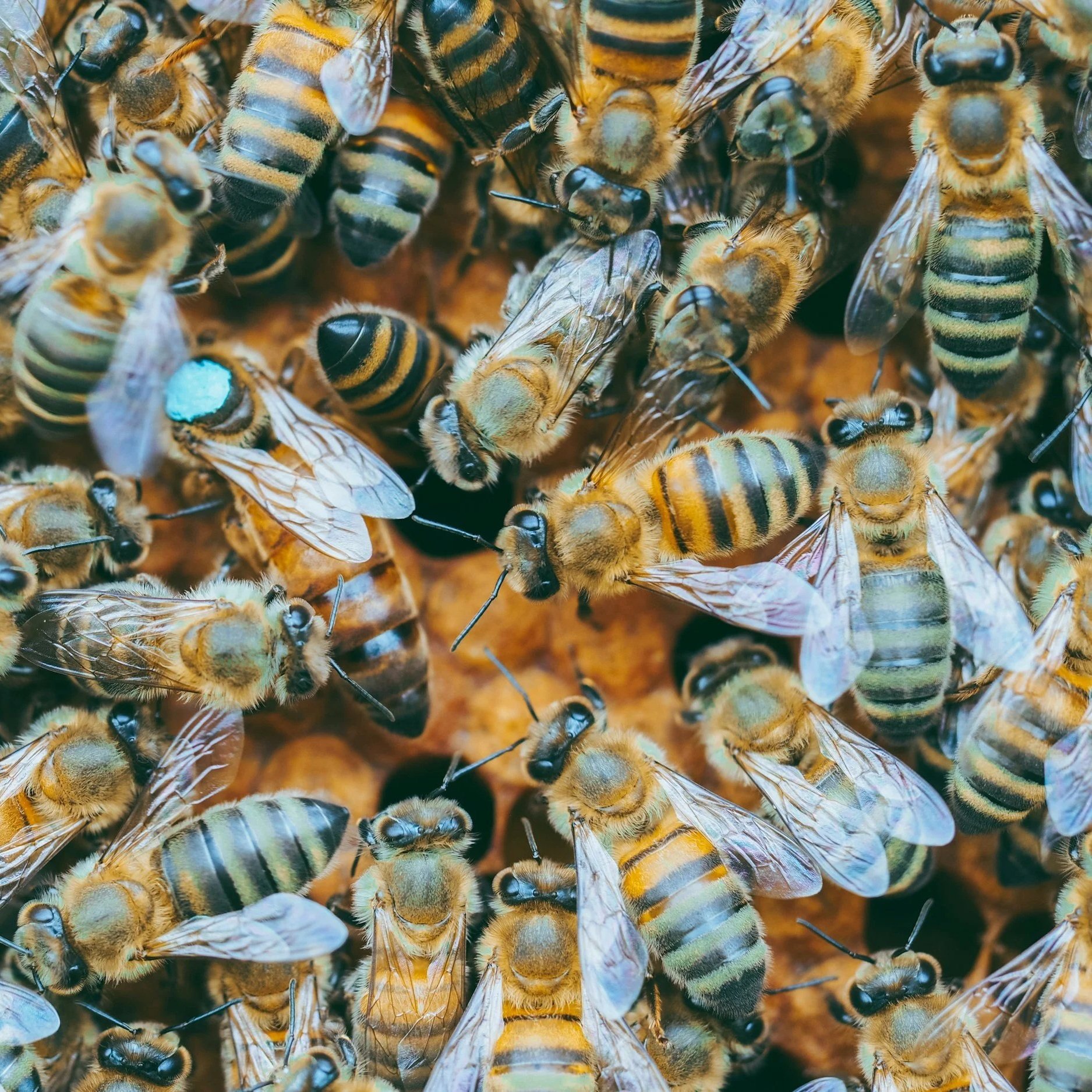
The Amazing Honey Bee
Investigate the three types of honey bees and identify their roles within the colony.
Louisiana Standards
ELA: L.1, R.1, S.L.1
Science: K-ESS3-1, 1-LS1-1, 2-LS2-2, 2-LS4-1
GRADES 3-5:
Honey Bees: A Pollination Simulation
Identify the parts of a honey bee, the stages of its life cycle, and its role in pollination.
Louisiana Standards
ELA: L.6, R.7, S.L.1, S.L.2, S.L.4, S.L.5
Science: 3-LS1-1, 4-LS1-1, 4-LS1-2

GRADES 6-8:
Mind Your Own Beeswax
Develop a useful beeswax product and market it to be sold.
Louisiana Standards
ELA: S.L.1, S.L.2, S.L.3, S.L.4, S.L.5, S.L.6
Agriscience: Agribusiness
GRADES 9-12:
Fermentation of Honey
Explain the processes of cellular respiration and fermentation and how it applies to the production and processing of honey.
Louisiana Standards
Math: MP4
Life Science: HS-LS1-7
Agriscience: Science Applications
GRADES 9-12:
Honey as a Biomolecule
Learn about different types of carbohydrates, the role of enzymes in breaking down complex sugars into simple sugars, and more.
Louisiana Standards
ELA: R.4, S.L.1, S.L.2
Life Science: HS-LS1-7
Companion Resources
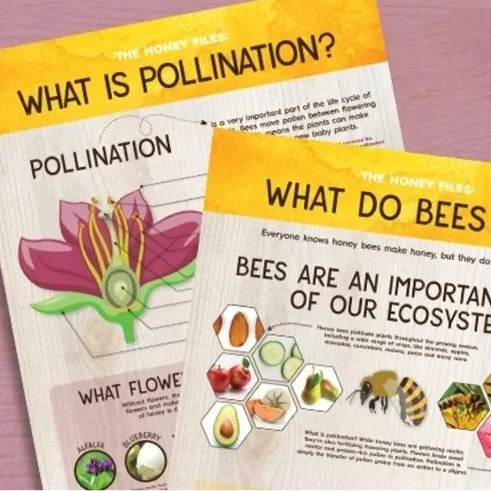
National Honey Board Educational Materials
These handy activity sheets are designed to teach your kids about bees, honey, and just how important they are to the world.
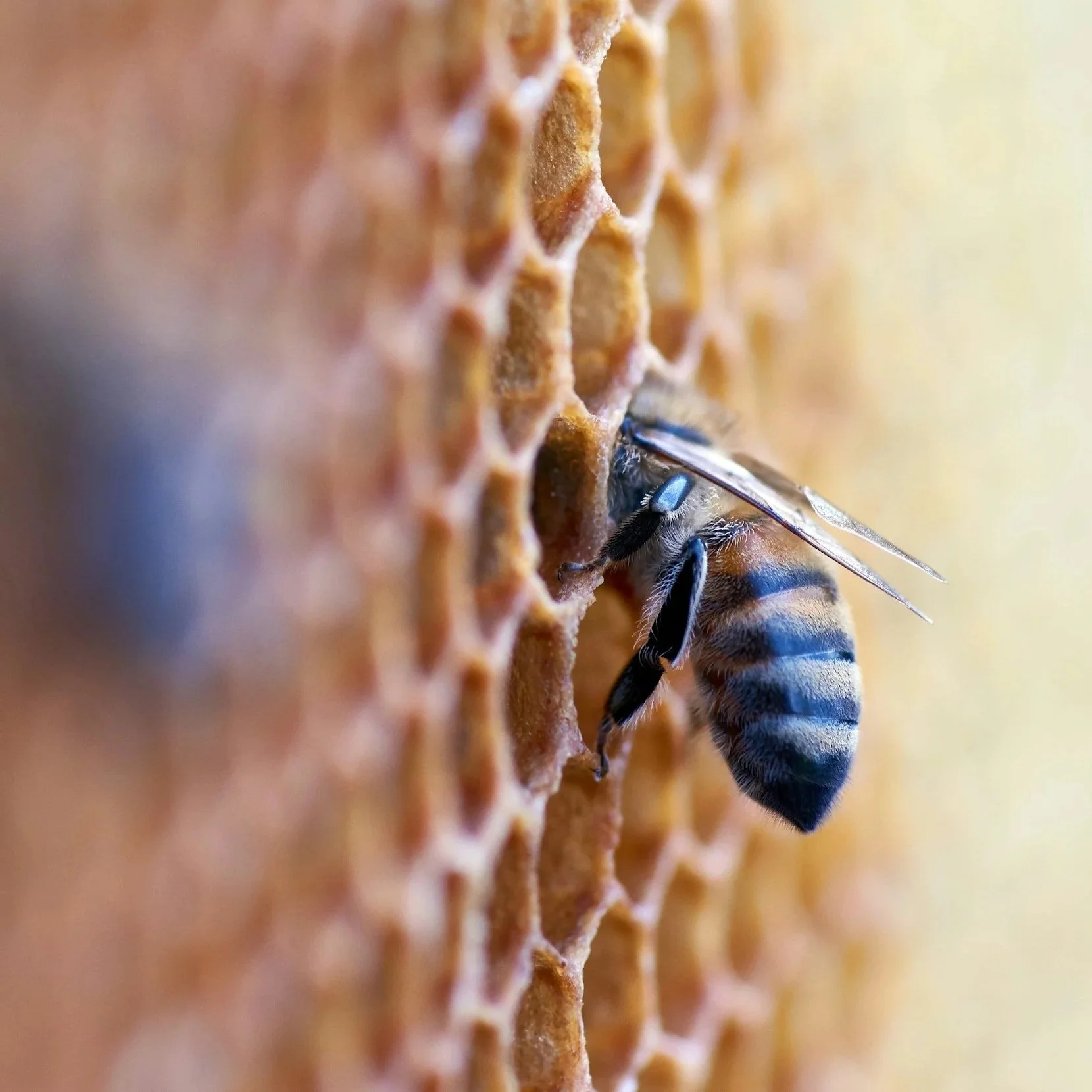
In the Hive with the Beekeeper e-Learning Module
A free e-Learning Course with 12 lessons that includes online quiz questions, interactive images, videos and an Ag Mag.
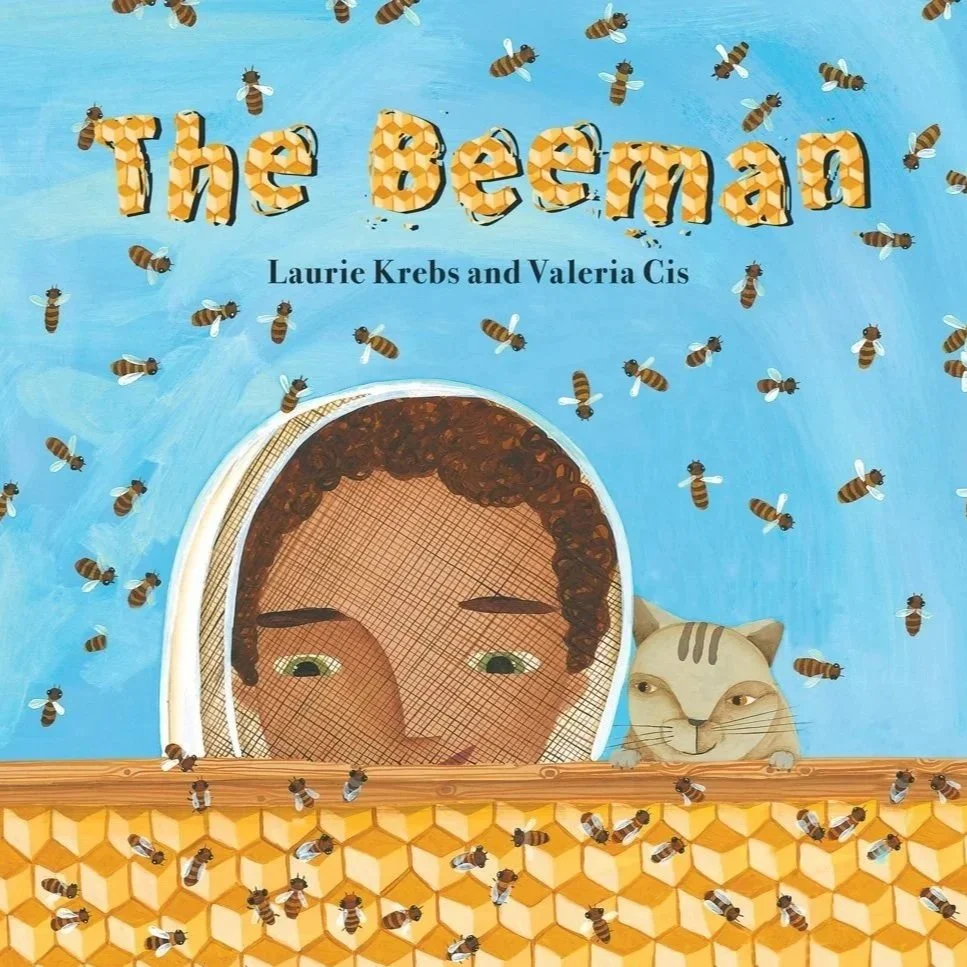
Educator's Guide for "The Beeman” by Laurie Krebs
Experience “The Beeman” by Lauri Krebs with this educator’s guide. Activities include: Bee Dances, Bee Vocabulary, Beehive Math, Bee Poetry!, Pollinator Puppets, and Taste Honey.
The Buzz—Pollinator Game
Fly down to Pollinatorville and take a ride with the hard-working insects who perform a valuable service to all of nature. Pollinators are fascinating, so get on board and win badges along the way. (Grades K-1)
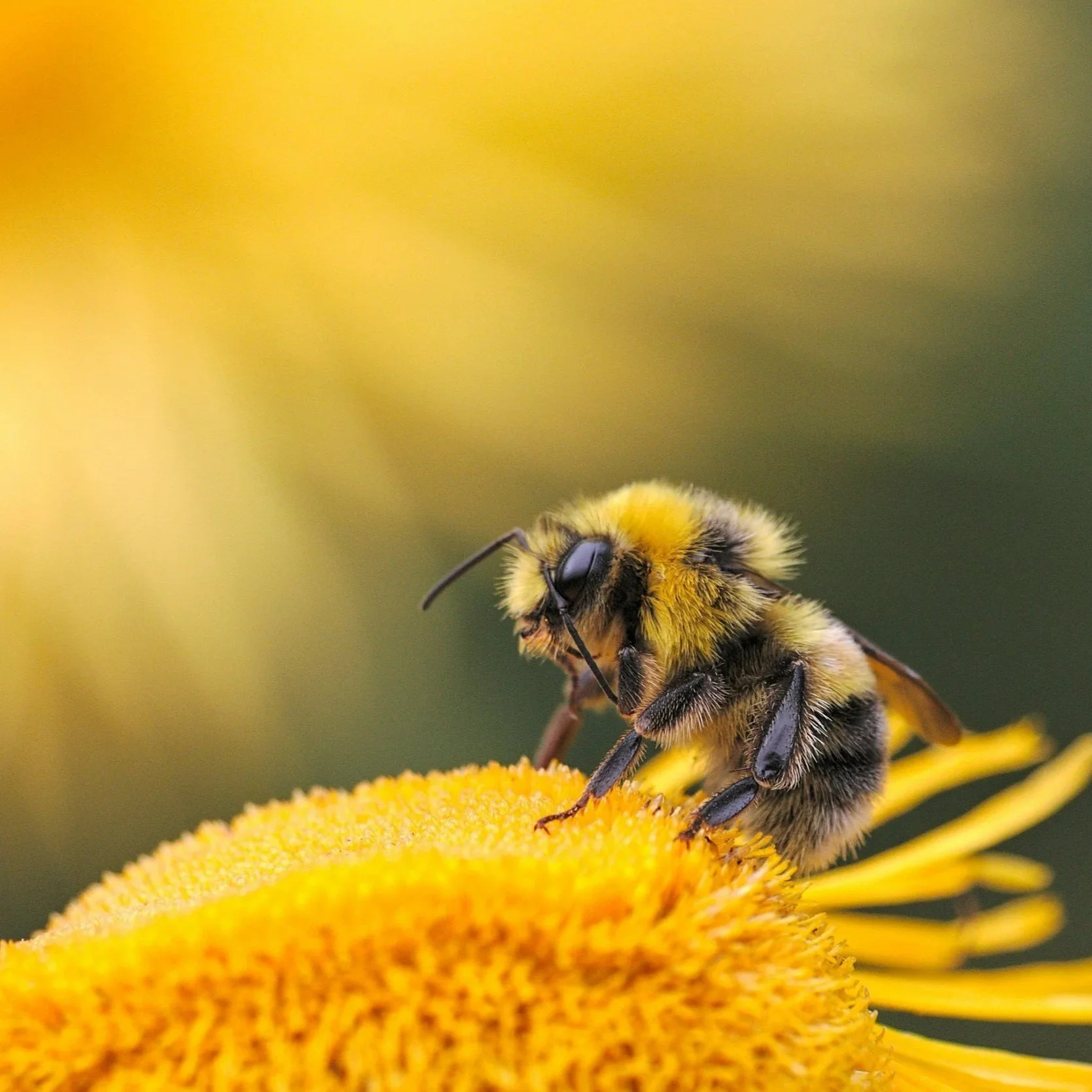
Pollen Relay Race
This game demonstrates how a honeybee hive functions.
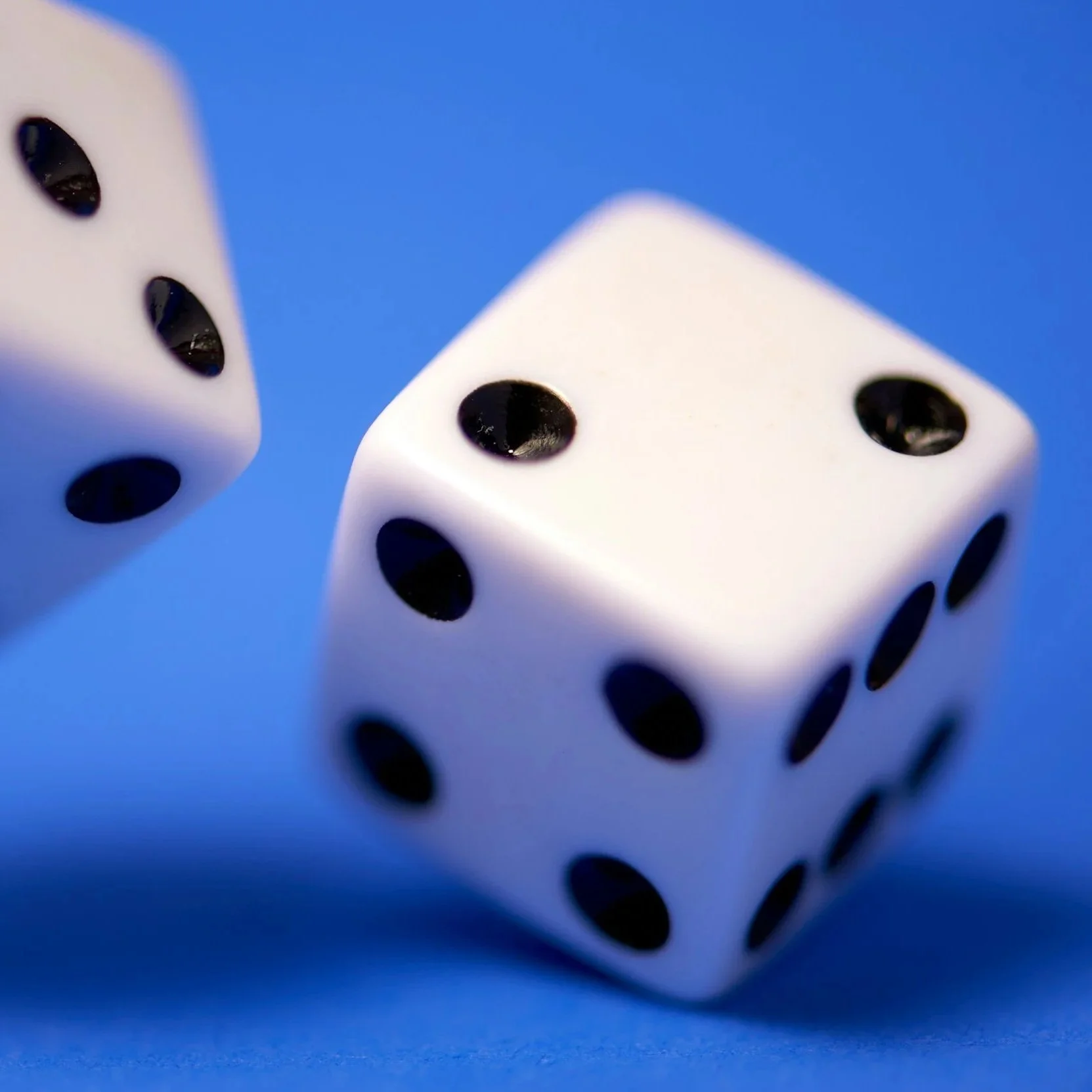
Beebuzz
This is a game in which students take turns rolling a die and drawing parts of a bee.
Books
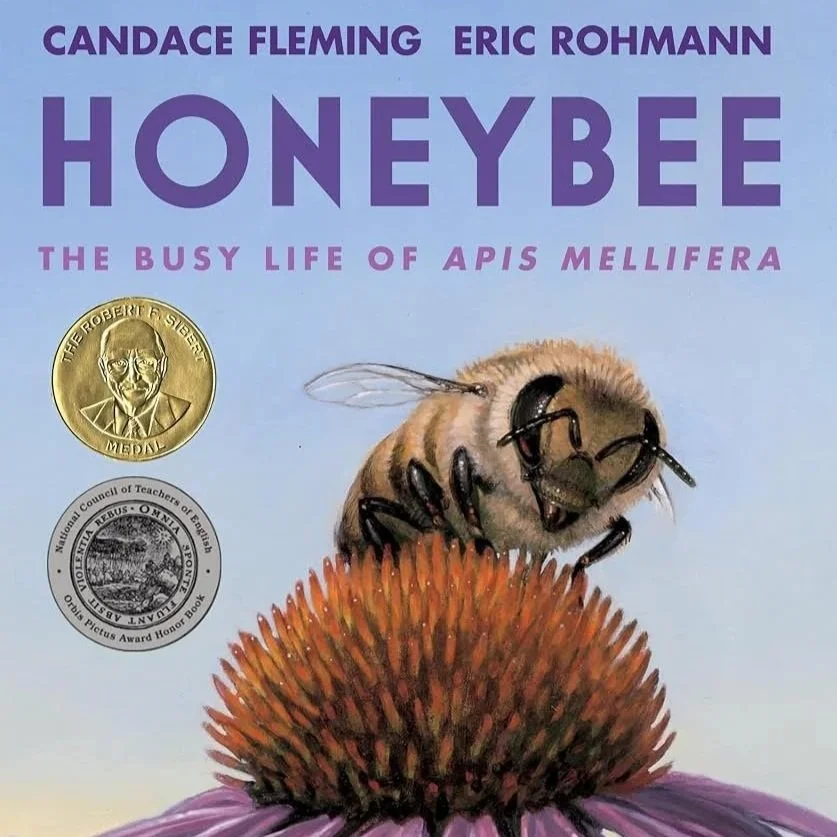
“Honeybee” by Candace Fleming
Beginning at birth, the honeybee emerges through the wax cap of her cell and is driven to protect and take care of her hive. She cleans the nursery and feeds the larvae and the queen. But is she strong enough to fly? Not yet! She builds wax combs to store honey, and transfers pollen from other bees into the storage. She defends the hive from invaders. Apis accomplishes all of this before beginning her life outdoors as an adventurer, seeking nectar to bring back to her hive. This book is available on YouTube (6:31).
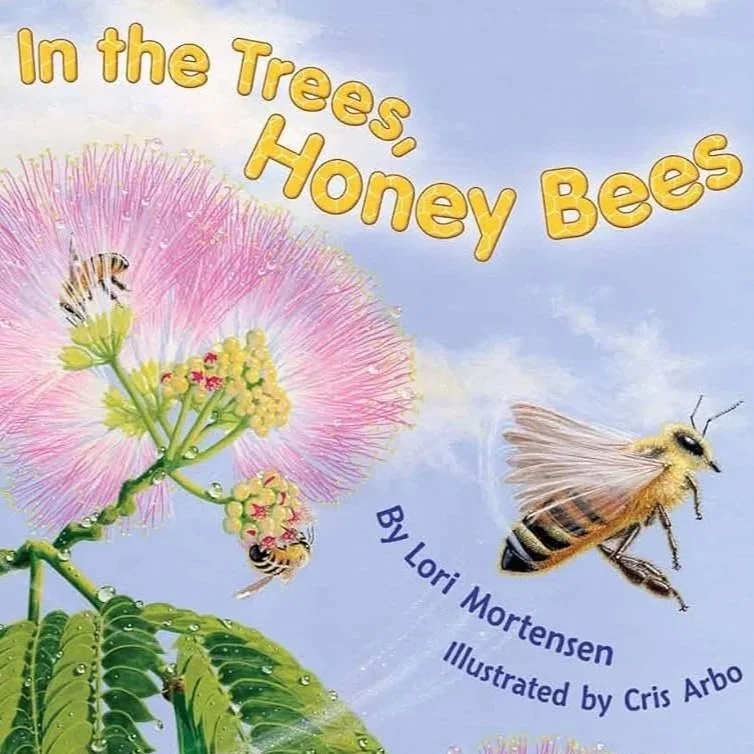
“In the Trees, Honey Bees” by Lori Mortensen
Peek inside this tree and see a wild colony of honey bees. It hums with life. Look at the thousands of worker bees—each one doing her job. Some are making wax. Some are feeding the hungry brood. Some are storing sweet honey. Look at all the combs, filled with honey and pollen! And there's the queen, laying eggs. It's all very organized, like a smoothly running town. A honey bee colony is a remarkable place. This book is available on YouTube (5:14).
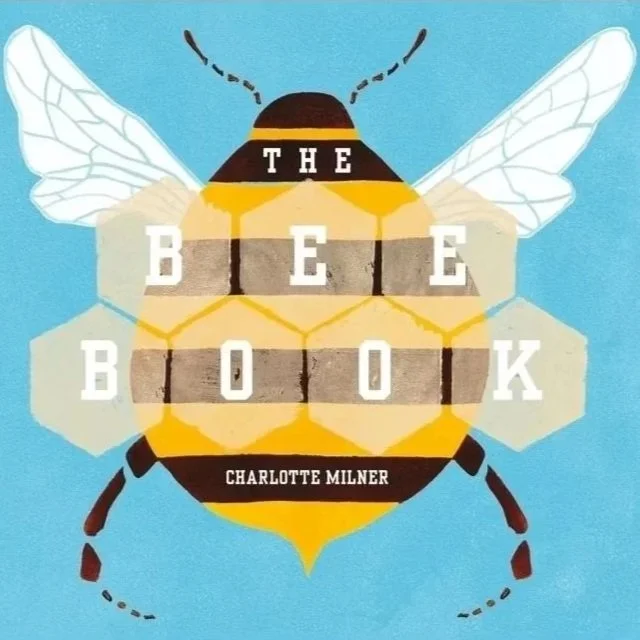
“The Bee Book” by Charlotte Milner
A wonderful introduction to the humble honeybee: nature's hardest worker, and much more than just a provider of honey! Bees are incredibly industrious, brilliant at building, super social, and—most importantly—responsible for a third of every mouthful of food you eat! This book is available on YouTube (26:03).
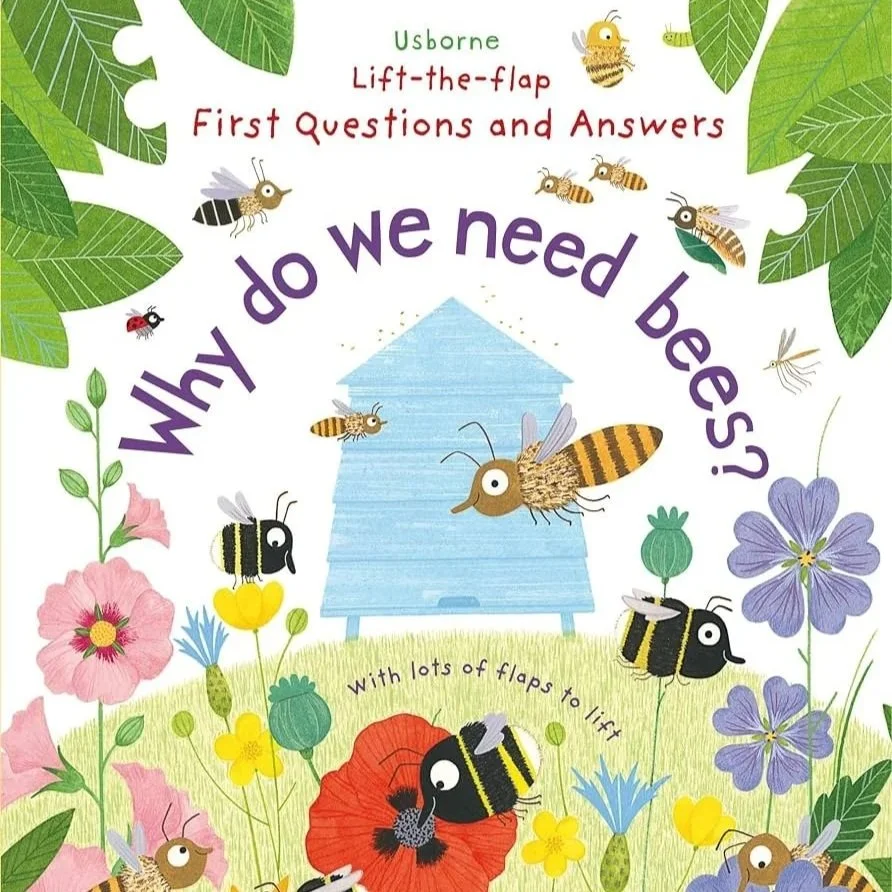
“Why Do We Need Bees?” by Katie Daynes
Why do we need bees? How do they make honey? And who's in a beehive? Find the answers to these questions and many more in this informative lift-the-flap book. Discover amazing facts about bees and why they need our help with colorful illustrations, simple text, and fun flaps to lift. This book is available on YouTube (16:12).
“The Beeman” by Laurie Krebs
Told from the viewpoint of a child whose Grandpa is a beekeeper, this rhyming text offers an accessible and engaging introduction to the behavior of bees. You will learn where bees live, how honey is made, what a beekeeper does, and more. This book is available on YouTube (4:13) and has a free educator’s guide.
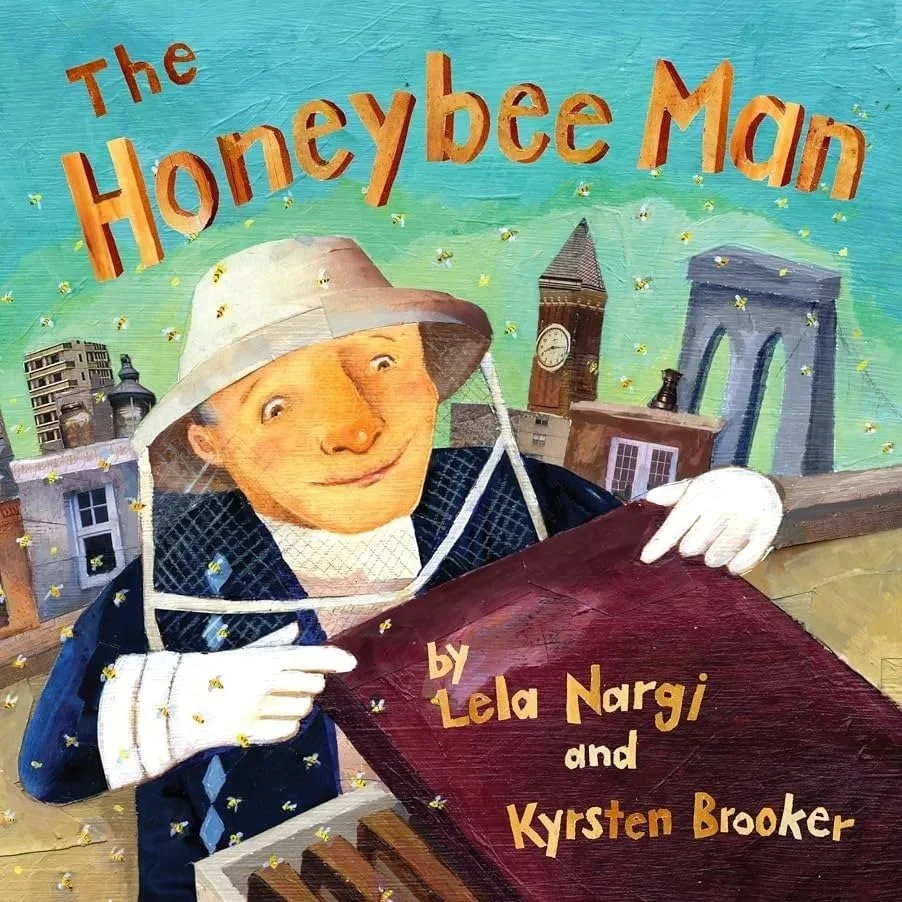
“The Honeybee Man” by Lela Nargi
Fred raises honeybees on his roof in Brooklyn, NY. He watches his bees closely, sharing his observations of how they tend the hive, feed babies, and make wax rooms. He even imagines flying with the bees to find flowers. The engagingly illustrated story is full of facts about bees. This book is available on YouTube (10:02).
Videos
That's So Sweet! – A Look at Honey Production in the Twin Cities (6:00)
Follow along on the fascinating journey that honey travels from the hive to your home. Kristy Lynn Allen, head beekeeper at the Beez Kneez in Minneapolis, introduces the process of honey collection, extraction, and delivery. Learn the important role honey bees play in honey production and pollination of some of our favorite fruits and vegetables!
Virtual Field Trip: Beekeeping (43:17)
In this tour, meet AgScape's very own Project Assistant—Ontario Certified Teacher and beekeeper Shaunna MacQuarrie—and her husband, Beekeeper Ken. Along with their children, they care for over 30 honeybee colonies, sell honey and beeswax products locally and speak regularly to groups about both native bees and honeybees, pollination and caring for the environment.
How It's Made—Honey (4:54)
This five-minute video travels from field to hive to factory, illustrating all the steps involved in making honey. Get a close-up look at a beekeeper opening a hive and a queen bee in the midst of her hive, and watch frames of honeycomb go through a factory to yield a number of products.
NMSU Field Trip—Honey (13:17)
It's common knowledge that honey comes from bees. But many people don't know how bees make it and why. Honey making is a collective effort between nature and man. It's a process that involves bee colonies, native plant life, agricultural crops, and of course beekeepers.
The Honey Files (16:22)
This video by The National Honey Board explores all aspects of honey production and includes fun facts like how much honey a single worker bee will make in her life.
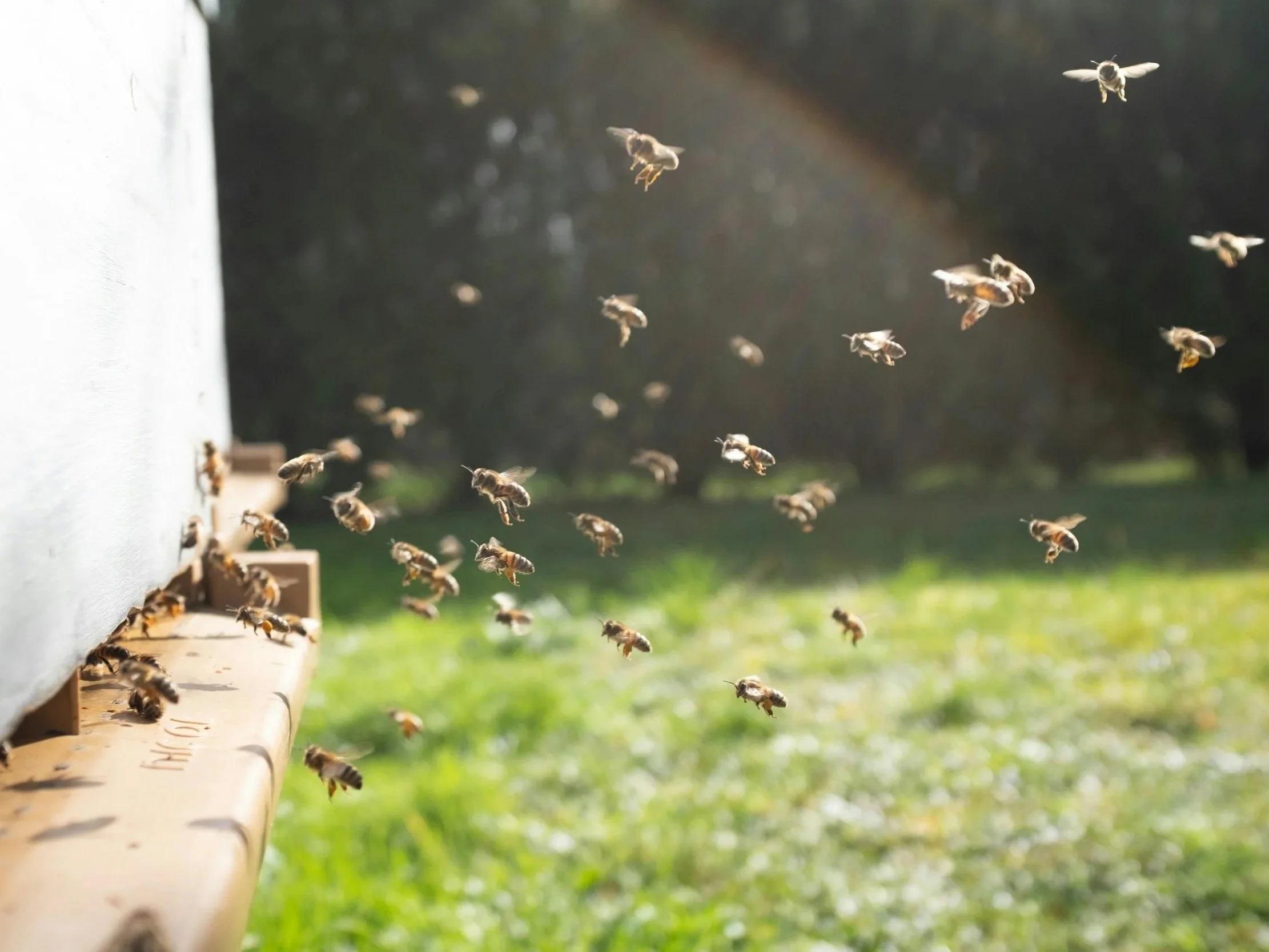
Up Close Experience: Bees (10:00)
Have you ever seen the inside of a beehive? Honey bees play an important role in agriculture and our daily lives. Explore a beehive up close in this 360 video.